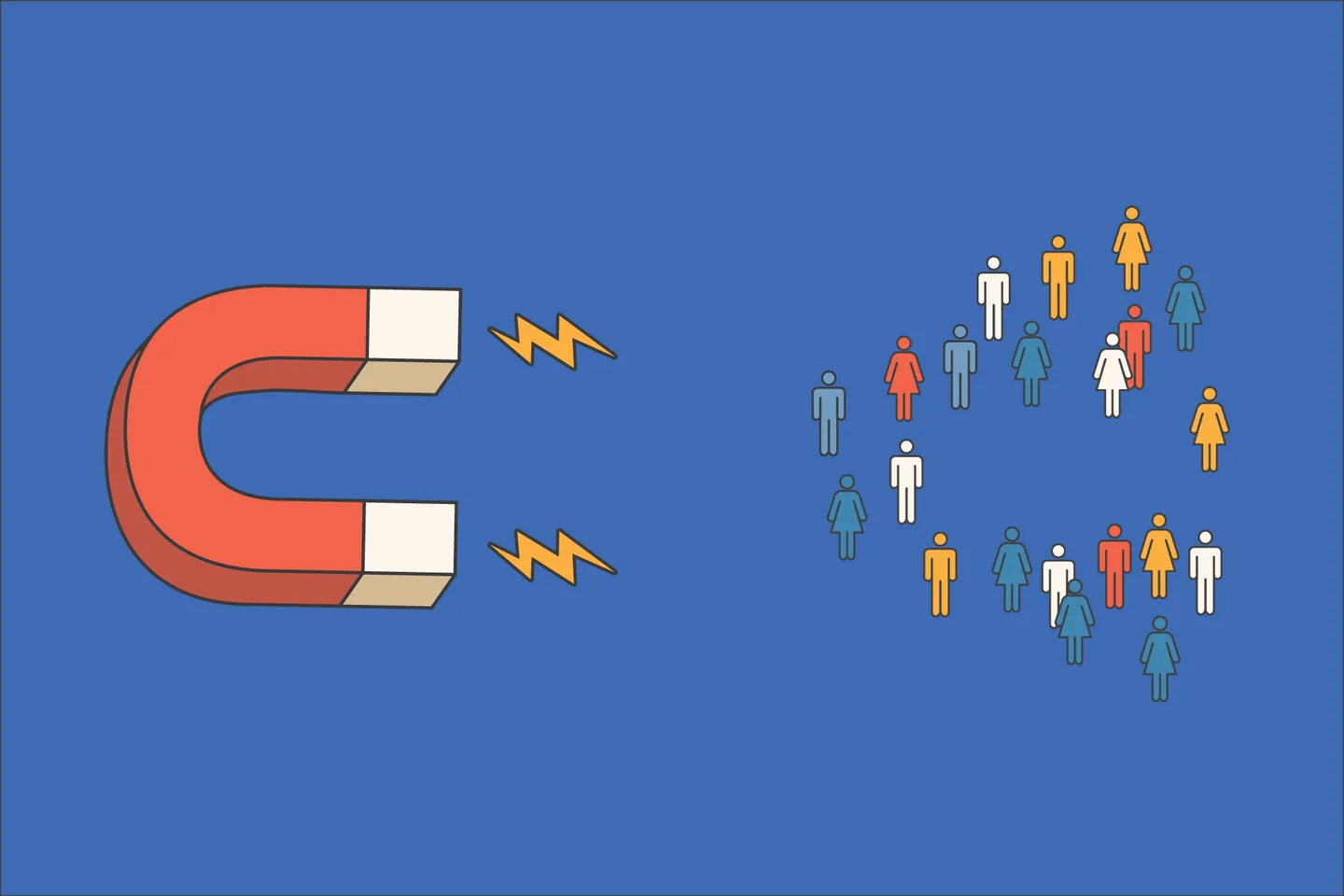
A content strategy determines what you explain, whom you help and how content will be used. It starts with customer needs and business priorities, before choosing a blog, video, checklist or newsletter.
If you already have many articles, tidying them up is often the first step. Five pieces answering roughly the same question make it harder to know which to improve and share.
Find the questions that affect the decision
Talk to the people who receive enquiries and deliver the work. Which questions recur? What do customers misunderstand? Which uncertainties stop a purchase? Also use search data and support requests, while distinguishing high search volume from a genuinely relevant need.
In B2B, a technical guide may help the user, while an explanation of total cost helps the decision-maker. Both are useful, but they need not share a format or next step.
Give every page a purpose
Organise content around needs, choices and action. An introduction explains a problem. A comparison clarifies alternatives. A service page shows what you deliver, for whom and how to proceed.
Create a simple content register with URL, audience, question, owner and next review date. Google’s guidance on helpful content is a useful quality checkpoint; it does not replace your own expert judgement.
Build trust with something customers can verify
Show real work, professional decisions and clear boundaries. A case study should explain the task, what was done and what you actually know about the outcome. Include the period and definition when using figures. Images and illustrations should explain, not just fill space.
This is also brand building. When language, visual presentation and delivery stay consistent over time, the business becomes easier to understand. A good promise must match the experience after someone makes contact.
Choose format and distribution together
Installation instructions may need images or video. A purchasing decision may need a comparison. A checklist can be useful without requiring a long form.
Plan where content will be used: search, sales conversations, relevant pages or agreed emails. Adapt the excerpt to the channel. Copying the same text everywhere is not a distribution strategy.
Measure usefulness and maintain content
Assess relevant visits, customer questions and contribution to enquiries. Read actual requests alongside the figures. A focused guide can be valuable with little traffic if it helps the right customers make a difficult choice.
Keep, improve, merge or archive content according to its purpose. When merging two pages, move useful material to the stronger page, create a direct permanent redirect and update internal links. Do not send every old article to the homepage.
Start with the most important services and questions, and use the blogging guide when writing. A manageable plan that is followed through is worth more than a full calendar without clear purpose.