Strategy · Marketing · Technology

A collaboration that fits the task

Tell me what you want to achieve. We will find a suitable way to work together.

How we can work together.

Three ways to move forward

How we can work together.

We choose how to work together based on the task. You have one person to discuss direction, priorities and delivery with.

01

Find your direction

You have more options than time.

We examine your offer, your customers and what is getting in the way. Together, we decide what to prioritise first.

What you take away

A prioritised plan with actions, responsibilities and measures.

How we share the work

You bring your goals, experience and an insight into how you work today. I bring the information together and work with you to challenge the priorities.

What happens next

Your team, I or both of us can put the plan into practice. Further work is agreed separately.

See an example of the first 90 days
02

Deliver a project

You know what needs to improve and need help making it happen.

We define a specific deliverable: a website, a campaign, an integration or a digital product.

What you take away

An agreed deliverable, tested and explained before handover.

How we share the work

I manage the ongoing dialogue and clarify deliverables, dependencies and responsibilities with you. We agree who on your side provides feedback and makes decisions.

What happens next

We agree what needs testing, what you should be able to manage yourselves and how the solution will be supported after delivery.

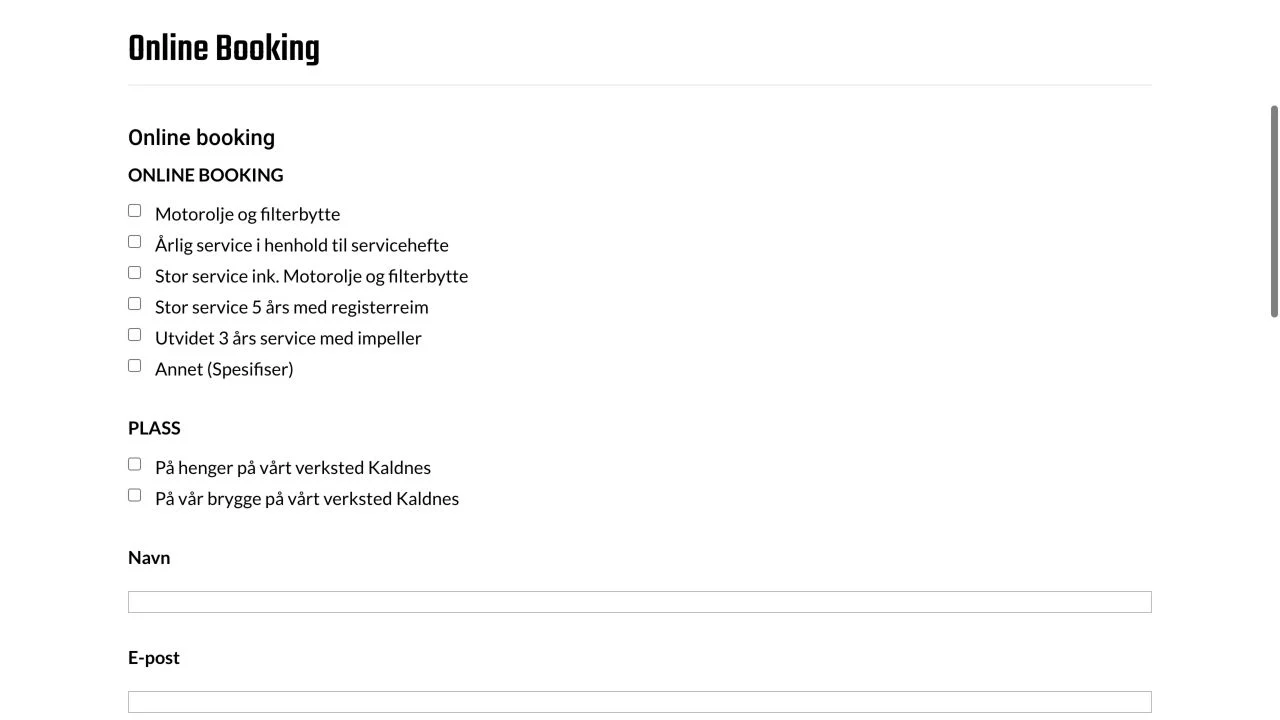
See the development work for Boxx
03

Work together over time

You need a regular adviser who also gets things done.

We prioritise, deliver and review marketing and digital solutions on an agreed schedule.

What you take away

Agreed priorities, completed actions and evidence for the next decision.

How we share the work

You contribute insight from sales and operations. I follow up the agreed tasks and make progress, outstanding decisions and measurement clear.

What happens next

We review what works and what needs to change. Scope and availability are agreed according to your needs and my capacity.

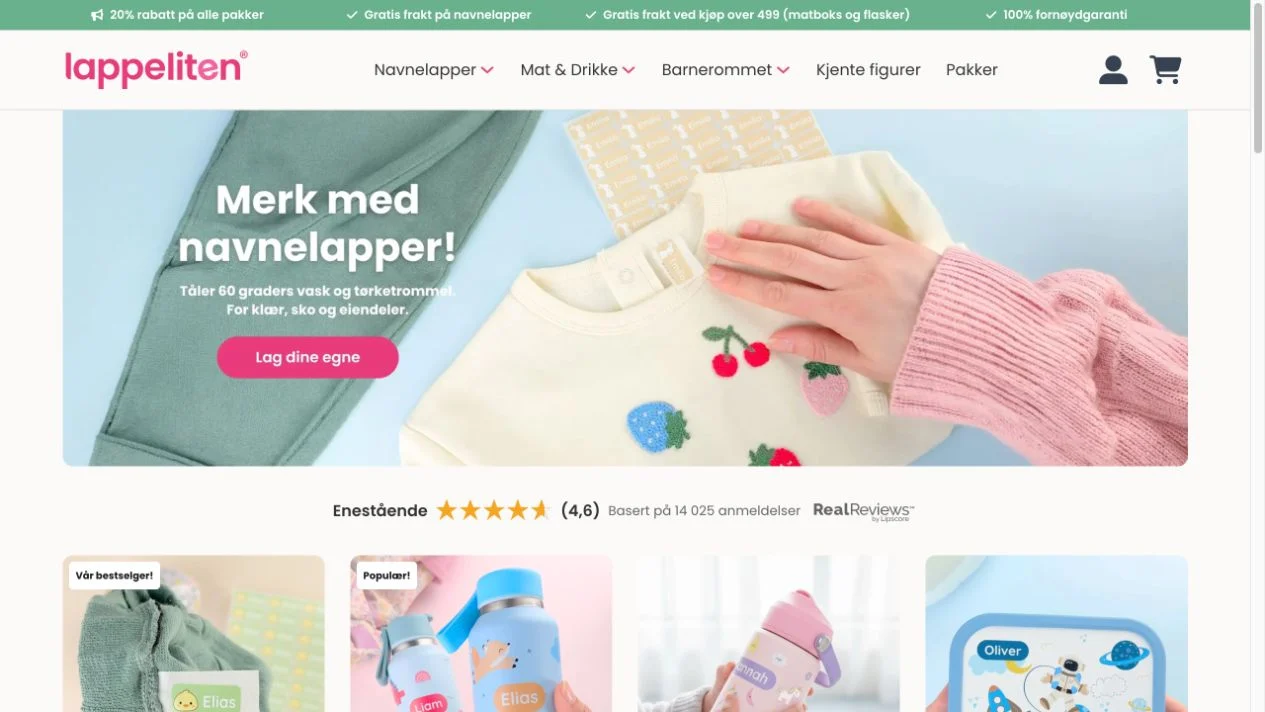
See the long-term collaboration with PEC

Before we start

Clear scope.
Shared expectations.

We clarify these points before we start, so you know what has been agreed and what happens next.

How do we agree the price and scope?

Before work begins, we agree the goals, deliverables, schedule and price. We distinguish the work from advertising spend, licences and other recurring costs. If your needs change, we discuss the implications before extending the assignment.

What affects costs over time?
Who is responsible during the work?

You work directly with me, Kjetil. We agree who does what, who provides access and content, and who approves the delivery. If other specialists or suppliers are needed, we agree their roles and costs.

What do we own, and what can we access?

We clarify ownership and access to domains, accounts, content, data and code before development begins. The agreement distinguishes work created for you from third-party licences and services. At handover, we review access, documentation and any limitations.

Read the guide to ownership and access
What happens after delivery?

We agree how to report problems, who manages hosting and updates, and what ongoing help includes. Training, maintenance and further development are agreed as part of the delivery or a separate arrangement.

Read about maintenance and support
Do we need to know which solution we need?

No. Start with what you want to achieve and what is difficult today. We look at what you already have and consider whether the assignment and capacity are a good match. Any discovery work and further delivery have an agreed price and scope.

What happens after the customer gets in touch?

The ad, the website, the sale and what happens afterwards need to work together. Choose a stage to see how we can improve the whole journey.

What we learn feeds back into the plan.

Someone needs to take ownership of the enquiry.

Who owns the enquiry, how quickly does the customer get a reply and what happens next? We choose, adapt or build a system that fits the way you work, so information follows the customer from the first reply through to an agreement and further follow-up.

Do you know which enquiries turn into profitable customers?

Try handling an enquiryIllustrative example
  1. 1Received
  2. 2Responsibility
  3. 3Next step

Request for a quote

The need has been described. The customer is waiting for a reply.

Owner
Not yet assigned
Next step
Awaiting clarification

Receiving an enquiry is just the beginning. First, someone needs to take responsibility.

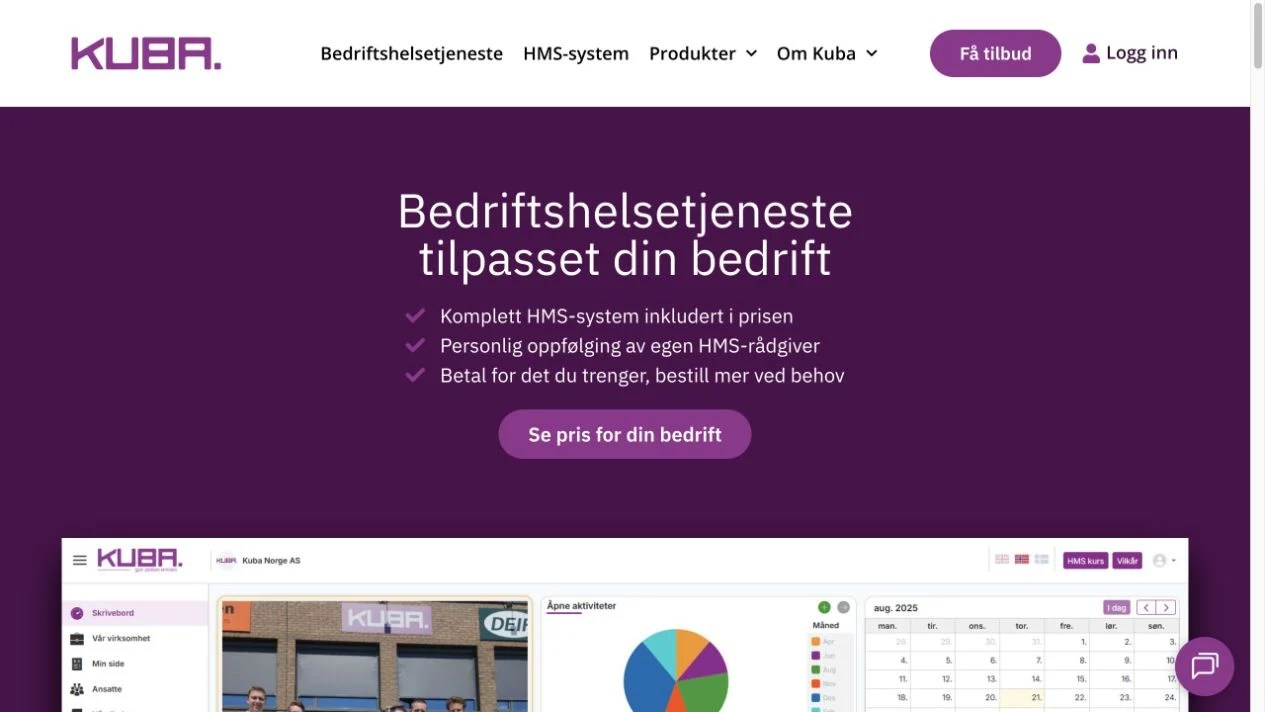
From our work on group management systems

And back to the plan. We look at which enquiries turn into sales, what is delivered and invoiced, and what customers are worth over time. That informs the next priority.

See measurable results
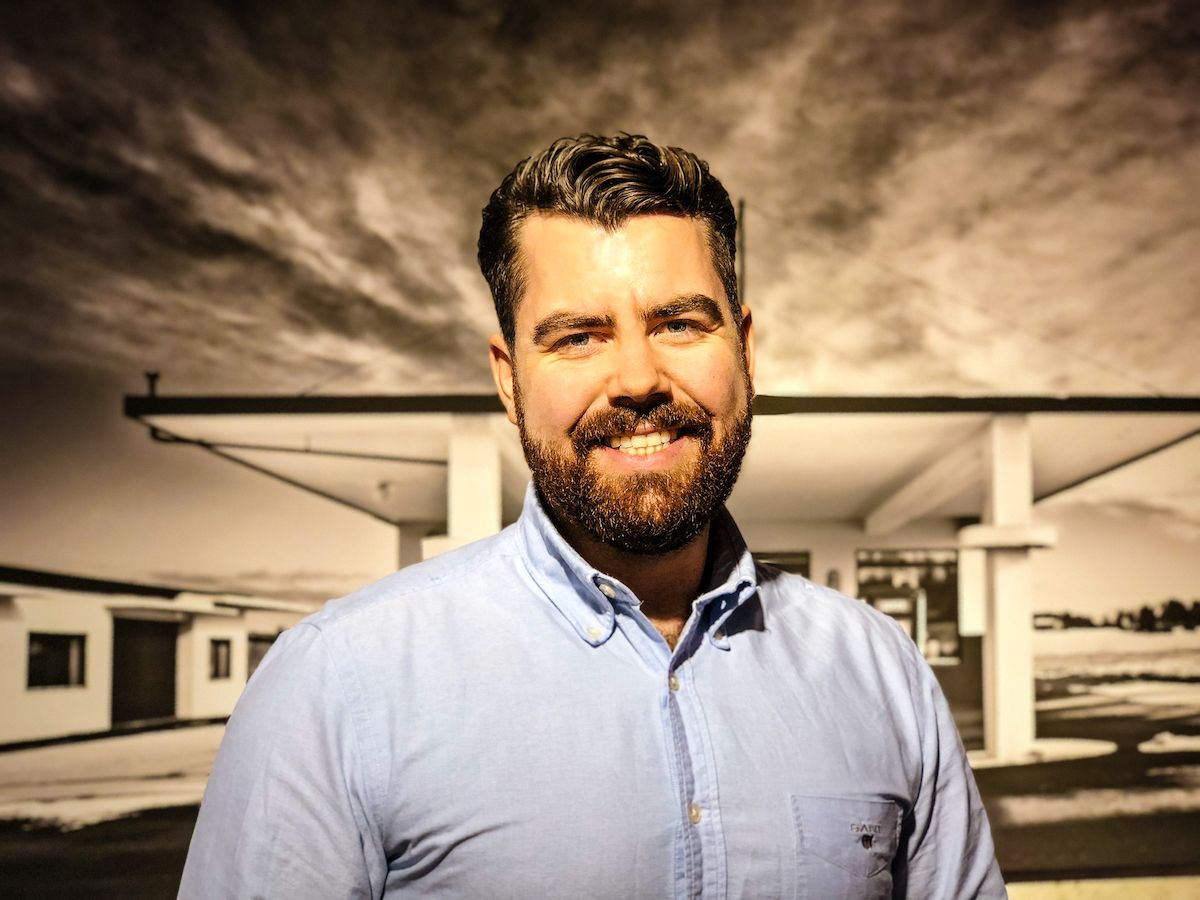
Kjetil Fagereng
Kjetil FagerengFærder Marketing

Tell us where you want to go.

I take on new collaborations when the goal, work and capacity fit. You do not need to know which solution you need.

[email protected] +47 926 99 301
Which areas are relevant? Optional · Select any that apply
About your business

Search the Norwegian business register. Select a result or enter a name yourself.
Who are we talking to?
How did you find us? (optional)

We use these details to respond to your enquiry. Read about privacy.

I reply by email. We start by understanding your needs and checking that the work and timing are a good fit. If we go ahead, we agree the scope and price before work begins.

The Færder guide

Two quick choices. A practical starting point.

What can we help you with?

Choose what best fits your situation right now.

Go straight to contact